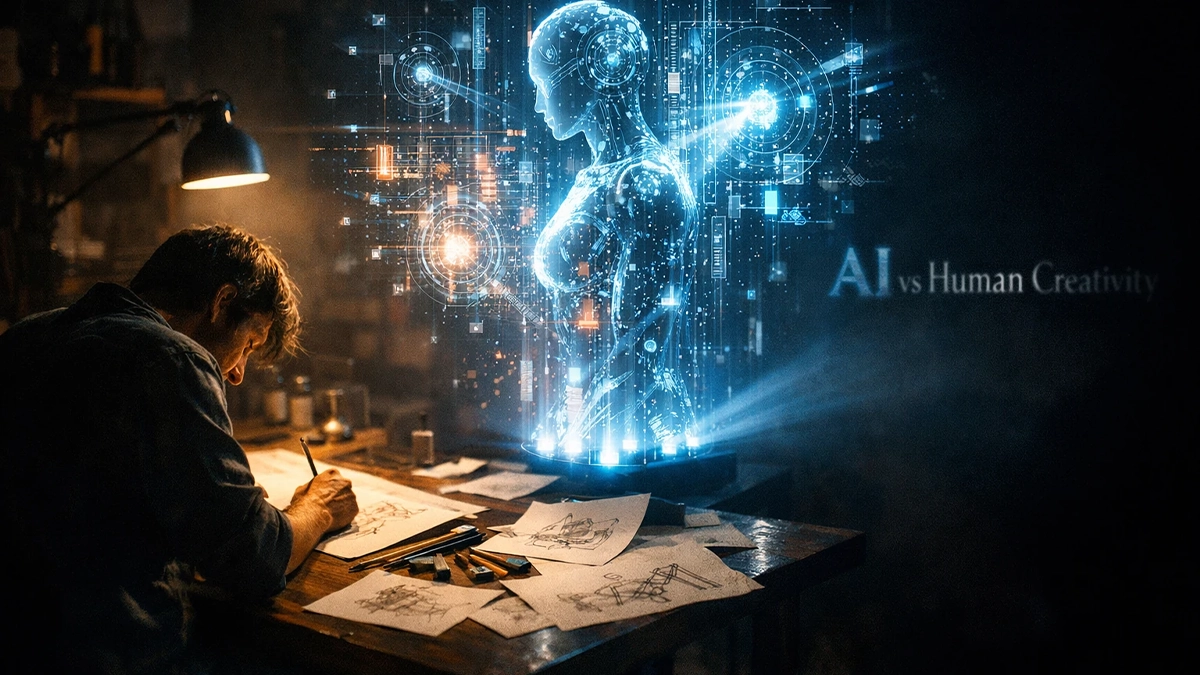
AI vs Human Creativity has been on my mind ever since artificial intelligence started appearing in everyday creative work. I kept asking myself a simple question: can AI truly think like a human, or is Artificial Intelligence Creativity just a clever pattern built by machines? To find out, I began testing different AI tools for creative work, comparing AI writing vs human writing and analyzing AI generated content vs human content. Sometimes the answers were wrong, sometimes surprisingly smart. A few responses genuinely impressed me with speed, strategy, and unexpected ideas, which pushed me to explore deeper.
Table of Contents
Why I Decided to Test AI vs Human Creativity
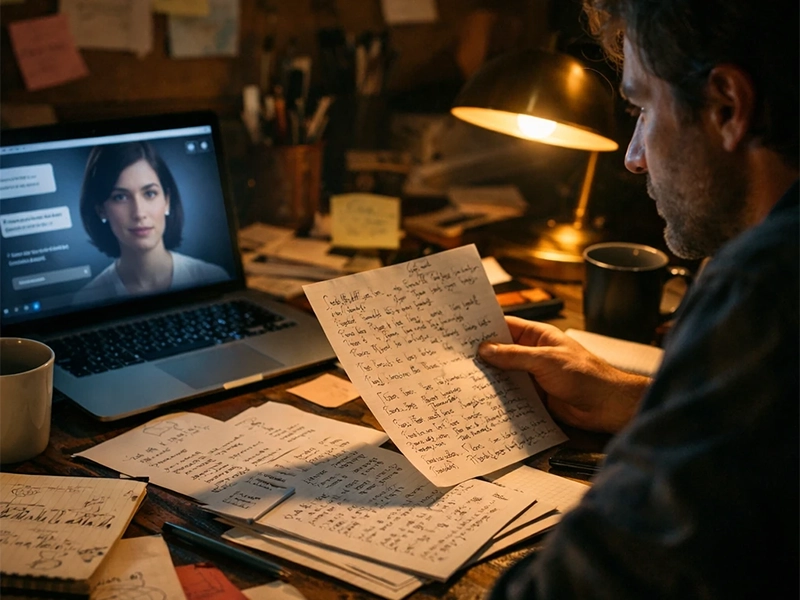
AI vs Human Creativity became a serious question for me after seeing how fast AI tools for creative work were improving. Everywhere I looked, people were debating whether machines could actually think creatively or if they were just remixing existing data. I kept wondering: can AI replace human creativity, or does it only simulate it? Instead of relying on opinions, I decided to run my own tests. I wanted real answers based on experience, not hype, so I began comparing how humans and AI approach creative thinking.
My Experiment Setup: Human Ideas vs AI Generated Content
To make the comparison fair, I designed a simple but revealing challenge: human ideas vs AI generated content. I asked the same creative questions to myself and to several AI systems, then compared the outcomes. This allowed me to observe the real difference between AI writing vs human writing. Sometimes the AI produced structured and fast responses, while my own ideas felt slower but more personal. Seeing AI generated content vs human content side by side gave me a clearer picture of how creativity actually works.
The Rules I Used to Compare Creativity Fairly
To judge the results honestly, I created a few strict rules. First, I evaluated human vs AI content quality without knowing which response came from whom at the beginning. Then I looked at originality, emotional depth, and clarity. These factors helped me measure artificial intelligence creativity in a practical way rather than a theoretical one. My goal was not to prove that one side wins, but to understand where each type of creativity performs best in real creative situations.
When I Put Myself and AI in the Same Creative Challenge

AI vs Human Creativity became much more interesting when I finally placed myself and an AI system in the same creative challenge. I gave both of us the exact prompt and a limited amount of time to respond. This made the comparison between AI writing vs human writing more realistic. When I looked at the results, the contrast between AI generated content vs human content was clear. The AI responded incredibly fast and structured, while my ideas developed slower but often carried more context and intention.
The First Results That Surprised Me
One of the most interesting parts of the experiment was seeing unexpected AI creativity examples. In several cases, the responses showed patterns of artificial intelligence creativity that I didn’t expect. The AI could generate multiple ideas in seconds, sometimes combining concepts in ways that looked surprisingly smart. During this stage of the AI vs Human Creativity test, I realized that machines are extremely strong at producing variations and structured suggestions, especially when the topic requires speed and large amounts of generated ideas.
Where Human Creativity Still Felt Different
However, something felt noticeably different when I compared human creativity vs machine learning outputs more deeply. Even when the AI responses were polished, the human vs AI content quality revealed subtle gaps. My own ideas were influenced by memories, emotions, and personal experiences, which added depth to the content. During this part of the AI vs Human Creativity comparison, I realized that human creativity often carries meaning and perspective that machine-generated ideas still struggle to fully replicate.
Can AI Replace Human Creativity? My Honest Findings
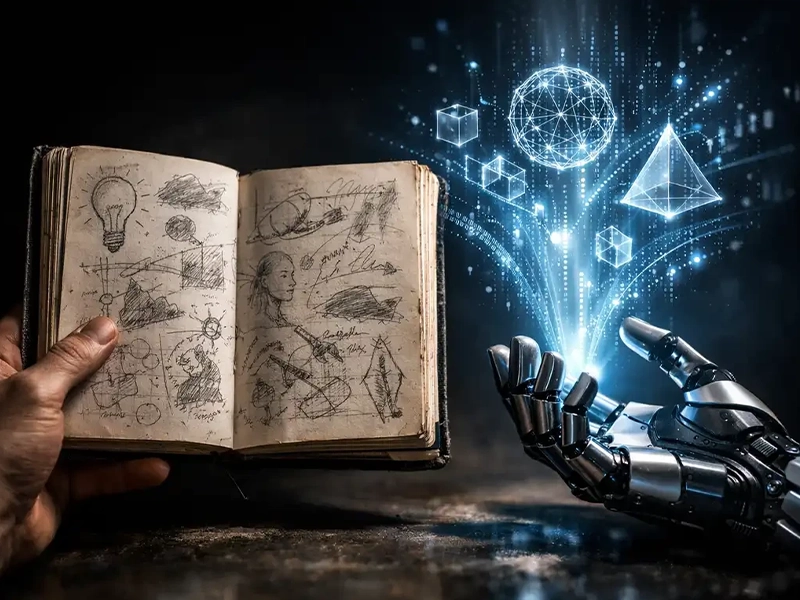
AI vs Human Creativity became even more fascinating as I continued testing different creative tasks over time. Naturally, the question that kept returning was simple but important: can AI replace human creativity, or is it only assisting it? Through many experiments and daily use, I started documenting my own chatgpt experience while comparing results with my personal ideas. The more I tested, the clearer it became that the real story is more complex than most headlines suggest. Understanding whether AI can be truly creative requires looking at both its strengths and its limitations.
What AI Does Shockingly Well
During my tests, I quickly noticed how powerful AI tools for creative work can be when it comes to speed and idea generation. In several tasks, the AI produced multiple AI creativity examples within seconds, something that would normally take me much longer. This is one reason AI is spreading rapidly across AI in creative industries like marketing, design, and content writing. In the AI vs Human Creativity comparison, machines clearly excel at brainstorming, restructuring ideas, and producing fast drafts that creators can refine.
The Hidden Limits of AI Creativity
However, my longer experiments also exposed the limitations of AI creativity. When I pushed the systems to generate deeper narratives or emotionally complex ideas, the difference between human creativity vs machine learning became more obvious. The AI could imitate style and structure very well, but sometimes the meaning felt shallow or repetitive. In my ongoing AI vs Human Creativity tests, I noticed that machines rely heavily on patterns from existing data, while human creativity often grows from lived experiences, intuition, and personal interpretation.
Is AI More Creative Than Humans? What My Tests Revealed
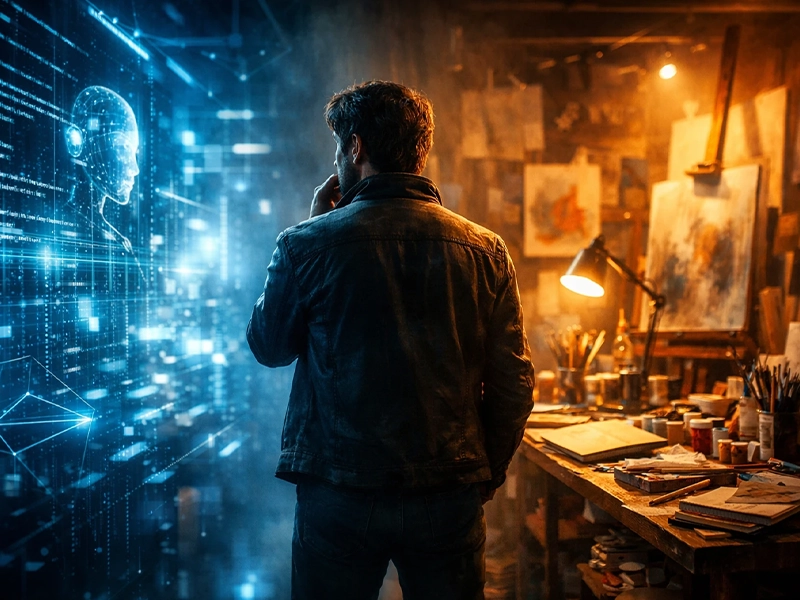
AI vs Human Creativity became a deeper question for me after weeks of experimenting with different prompts, writing tasks, and creative challenges. At first, I assumed the answer would be obvious, but the results were far more nuanced. When asking “is AI more creative than humans,” I realized the comparison depends heavily on context. Artificial intelligence creativity can generate ideas rapidly and restructure information efficiently, yet my own creative process often included intuition and personal associations. These experiments reminded me that creativity is not only about producing ideas but also about understanding meaning.
Speed vs Original Thinking
One thing I clearly observed in the AI vs Human Creativity comparison was the dramatic difference between speed and originality. In my tests of AI writing vs human writing, the AI produced structured drafts almost instantly, while I needed more time to shape ideas and refine them. However, when evaluating human vs AI content quality, I noticed that slower thinking sometimes produced more original angles. Speed helps machines dominate brainstorming tasks, but original thinking often emerges from pauses, reflection, and unexpected connections that develop over time.
Emotion, Context, and Human Experience
Another insight from my experiments with AI vs Human Creativity involved emotion and context. When writing pieces that required personal reflection, the difference between human creativity vs machine learning became more visible. My ideas were shaped by memories, cultural context, and real experiences, while AI responses often relied on patterns from existing text. This reminded me of a broader discussion explored in an article about human intelligence vs artificial intelligence, which highlights how human experience still plays a central role in meaning‑driven creativity. This perspective may shape the future of creativity with AI.
The Real Future of Creativity with AI

After spending weeks experimenting with different tools, prompts, and creative tasks, I started thinking less about AI vs Human Creativity as a battle and more about where things are heading. The future of creativity with AI seems less about replacement and more about integration. In my own workflow, I noticed that AI tools for creative work helped me explore ideas faster while I focused on refining meaning and storytelling. This shift is already visible across many AI in creative industries such as marketing, design, and media, where human direction still shapes the final result.
Collaboration Instead of Competition
One insight that became clear during my AI vs Human Creativity experiments is that collaboration produces better outcomes than competition. When I treated artificial intelligence creativity as a brainstorming partner rather than a replacement, the quality of my ideas improved noticeably. I would generate rough drafts with AI and then reshape them with my own perspective and experiences. Many experts also believe this hybrid approach will define the future of creative work, as discussed in research from organizations like the World Economic Forum
How Creators Can Use AI Without Losing Their Voice
Through my personal experiments, I realized that the real challenge is balancing the pros and cons of AI creativity. When relying too heavily on AI, the writing sometimes started to feel generic, which affected the human vs AI content quality comparison. To avoid this, I began using AI mainly for structure, outlines, and idea expansion while keeping the final storytelling personal. In the ongoing AI vs Human Creativity discussion, this approach helps creators benefit from technology while protecting their unique voice and creative identity.
Conclusion
After all my experiments, comparisons, and daily creative tests, my perspective on AI vs Human Creativity changed significantly. At the beginning, I expected to clearly prove whether AI or humans were more creative. Instead, what I discovered was a more interesting reality. AI can accelerate idea generation, assist with structure, and improve efficiency in creative workflows. However, the deeper layers of creativity—personal experience, emotional nuance, and original interpretation—still come naturally from humans. From my experience, the real power appears when creators combine both strengths rather than choosing one over the other.