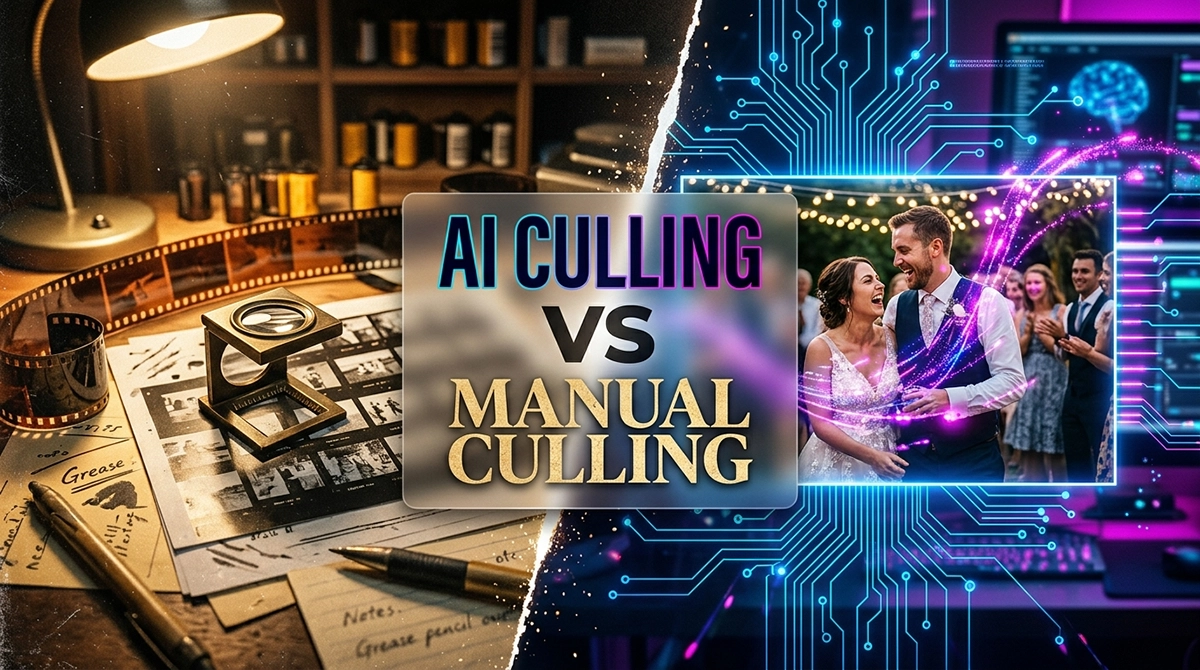
In the modern high-stakes photography landscape, the debate of AI culling vs manual culling has transcended mere convenience to become a core strategic decision. Having audited countless high-volume workflows, I’ve observed that clinging to traditional methods often invites unnecessary decision fatigue. While manual selection offers a sense of creative control, integrating sophisticated AI photography workflow tools is now essential for professional scalability. We must evolve beyond the grueling “first pass” by leveraging machine learning to reclaim our most valuable asset: time.
Table of Contents
Decoding AI Culling vs Manual Culling: The Technical Shift

The transition from tactile, human-led selection to algorithmic sorting marks a pivotal era in digital asset management. Understanding the AI culling vs manual culling divide requires a deep dive into how data interprets aesthetics. In my strategic audits, the primary Purpose of Artificial Intelligence here is not to replace the artist, but to eliminate the binary technical failures that clog the creative pipeline, ensuring a leaner and more profitable studio operation.
How Modern AI Photo Culling Software Thinks
Modern AI photo culling software functions through advanced computer vision, simulating a technician’s eye at lightning speed. By utilizing complex edge detection, the software executes precise sharpness scoring to identify tack-sharp pupils versus motion blur. Unlike humans, these algorithms do not suffer from waning attention; they analyze every pixel with consistent mathematical rigor, identifying keepers based on objective technical benchmarks rather than subjective whims or momentary distractions.
The Human Element: Why Manual Culling Still Resonates
Despite technological leaps, manual culling remains a sanctuary for artistic intent. When I review a shoot, I often prioritize emotional resonance over clinical sharpness—a nuance that RAW rendering engines sometimes miss. A manual workflow allows the photographer to identify “perfect accidents” where a slight blur or unconventional framing tells a deeper story. This human-centric approach ensures that the narrative soul of the gallery remains intact and authentically yours.
The Psychology of Selection: Culling In vs. Culling Out
The strategic shift in 2026 focuses on selection logic: “Culling In” versus “Culling Out.” Manual methods often force us to “cull out” rejects, a process that accelerates decision fatigue and lowers our standards. Conversely, AI assists by highlighting the best, allowing us to “cull in” our favorites. This psychological pivot preserves mental energy, ensuring that our final 5-star ratings are based on inspiration rather than a desperate need to finish the task.
Real-World Battlefield: When AI Culling vs Manual Culling Defines Profitability
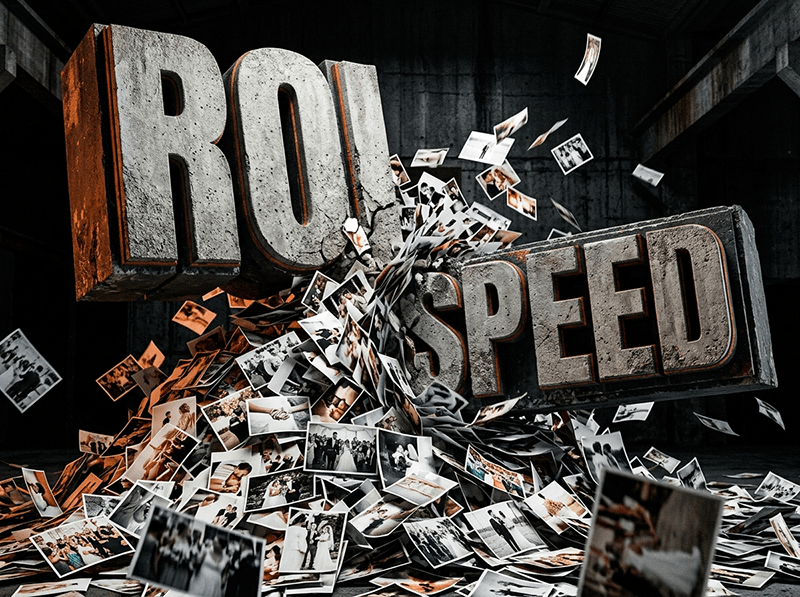
In my years managing high-output studios, I’ve realized that the AI culling vs manual culling decision is actually a battle for your hourly rate. I remember spending entire Mondays bleary-eyed after a double-wedding weekend, realizing my “creative” time was being eaten by mechanical repetition. By auditing my own data, I found that the Purpose of Artificial Intelligence is to stop this bleeding of time. Transitioning to AI isn’t just about speed; it’s about reclaiming your Monday mornings and professional sanity.
High-Volume Events: Weddings and Corporate Galas
In my fieldwork with 3,000-frame wedding galleries, I’ve found that manual labor is the enemy of excellence. Using Aftershoot, I’ve personally offloaded the “blink-checking” nightmare that used to take me four hours; now it takes fifteen minutes. The AI’s blink detection and duplicate grouping act as my digital first-assistant, filtering the noise. I’ve observed that this doesn’t just save time—it saves my eyes from the fatigue that usually leads to poor selections late at night.
Editorial and Fine Art: Where the Machine Fails
However, when I’m working on high-end editorial sets, I’ve learned to keep the AI at a distance. I once had an algorithm reject a blurred portrait that eventually became a gallery centerpiece because the machine didn’t understand my creative authority. In these moments, I rely on my intuition to find the narrative arc within the RAW files. My experience proves that for “vibe-heavy” shoots, your human eye is the only tool that can detect the soul of a frame.
Deep Dive into the 2026 Toolset: Aftershoot vs Narrative Select and Beyond
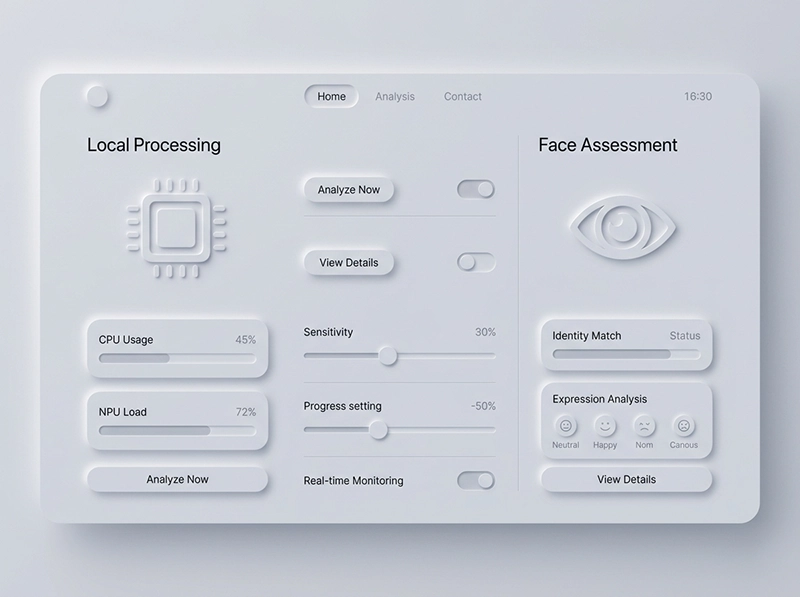
Navigating the current market requires more than just picking a brand; it’s about aligning software architecture with your specific output needs. In my consulting sessions, I’ve seen photographers struggle by choosing tools that clash with their hardware. When comparing AI culling vs manual culling solutions, I always evaluate the ecosystem’s stability and speed. In 2026, the industry has branched into specialized leaders that cater to different niches, from high-speed local processing to intelligent cloud-based integrations.
Local Processing Power: The Aftershoot Advantage
In my studio, Aftershoot has become a staple because it utilizes my machine’s Local GPU instead of relying on unstable internet uploads. I’ve personally processed 5,000 images in under ten minutes, with all data saved directly into XMP sidecar files. This local-first approach ensures that my metadata is instantly readable by Lightroom. From my experience, this is the most reliable way to maintain a fast, offline-capable environment without the recurring headache of bandwidth bottlenecks during peak season.
Face Assessment Mastery: Why Narrative Select Leads in Portraits
When my focus shifts to corporate headshots or family sessions, I pivot to Narrative Select for its superior Close-up panel. I’ve found that its AI-driven Focus scores are incredibly nuanced, pinpointing the exact moment a subject’s expression peaks. Personally, having all faces in a group shot displayed in a single view saves me hours of manual zooming. It transforms the grueling task of expression-checking into a streamlined, high-level creative review that machines handle with clinical precision.
The New Contenders: FilterPixel and Imagen AI Integration
Lately, I’ve been testing Cloud lifting capabilities with FilterPixel and the impressive Imagen AI ecosystem. What sets these apart is the use of Personal AI Profiles, which learn my specific selection patterns over time. While some professionals are busy searching for the Best AI Image Generators to create art, I prefer these tools for their ability to replicate my professional “eye.” This level of integration bridges the gap between selection and editing in a single, cohesive movement.
Constructing the Ultimate Hybrid Workflow
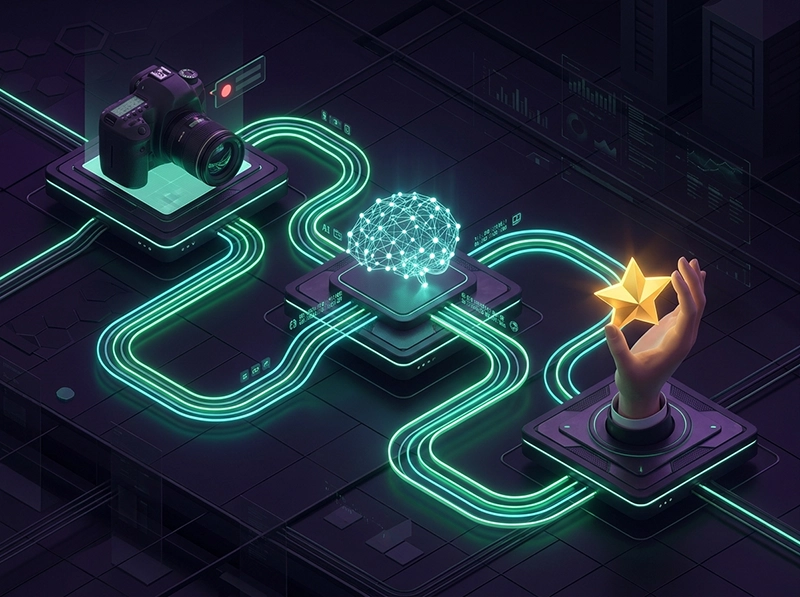
Efficiency isn’t about choosing one side; it’s about the synergy between human intuition and algorithmic speed. My personal “Standard Operating Procedure” has shifted from a binary choice to a fluid hybrid model. By allowing AI to handle the technical grunt work, I preserve my mental energy for the final 10% of artistic decision-making. This balance is what separates a technician from a high-earning strategist, ensuring every gallery delivered reflects both technical perfection and a unique creative soul.
The Step-by-Step Integration for Modern Pros
My workflow begins with a systematic Ingest process directly into my SSD. I then generate Smart Previews to ensure the software maneuvers through thousands of files without lag. The real magic happens during the Lightroom integration phase, where my AI-culled ratings are synced instantly. I’ve found that this structured approach eliminates the friction points that usually lead to post-production burnout, allowing for a 24-hour turnaround on even the most demanding event projects.
Auditing the AI: Keeping Your Creative Authority
No matter how advanced the tech, I never skip the final Human audit. Machines can miss the “vibe,” and I’ve caught several Technical failures where a brilliant, emotional photo was flagged for minor blur. By reviewing the “AI rejects” for five minutes, I maintain my total creative authority over the final product. It’s about using the machine as a filter, not a judge, ensuring that the final selection remains a true representation of my professional brand.
Final Verdict: Choosing Your Method
Ultimately, the AI culling vs manual culling debate is settled by your specific Workflow ROI. If you are a high-volume shooter, staying purely manual is a recipe for professional stagnation and exhaustion. However, if you shoot low-volume, high-value art, your personal touch is your greatest asset. My advice is to measure your time: if you’re spending more than two hours per shoot in the culling room, it is time to let the AI take the first pass.
Conclusion
Mastering the balance in the AI culling vs manual culling debate is the hallmark of a high-level photography strategist in 2026. My personal journey through thousands of galleries has proven that while machines excel at technical filtration, the human soul remains the final arbiter of art. By embracing an automated first pass, you aren’t just saving minutes; you are protecting your creative vision from the dulling effects of fatigue. Choose the tools that align with your hardware, but never surrender your final creative signature to an algorithm.
The ultimate goal of choosing between AI culling vs manual culling is to maximize your professional output without sacrificing the emotional quality of your brand. As we have explored, the most profitable photographers are those who treat AI as a powerful assistant rather than a total replacement. Implement a hybrid workflow today to reclaim your time and ensure that every delivered image reflects your expertise. The future of photography belongs to those who work smarter, leveraging technology to elevate the timeless power of a perfectly captured moment.