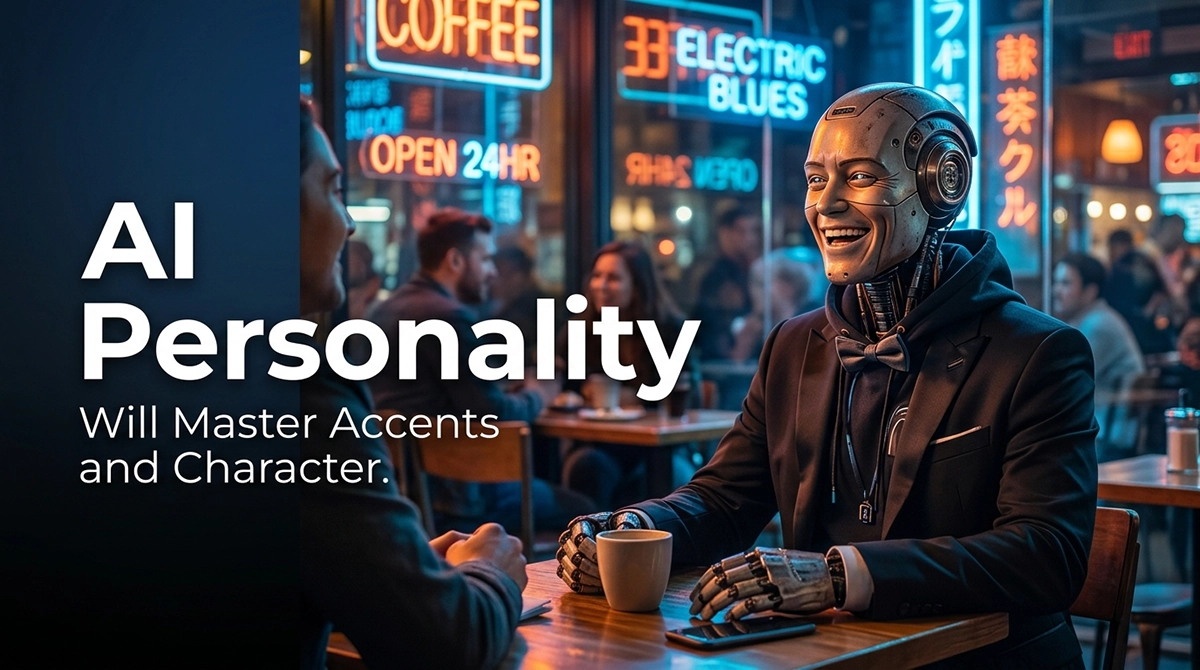
Developing a unique AI personality is something I’ve been obsessed with lately, especially because the digital world is moving at a terrifyingly awesome speed. While messing with different models, I kept asking myself: why do they all have to sound so boring? I started wondering what would happen if these systems actually had a soul—and an accent to match. It’s wild to imagine ChatGPT throwing some New York attitude or Gemini being witty and British. By mixing emotional artificial intelligence with human-like AI voices, we’re basically turning these bots into cool NPCs. They aren’t just tools anymore; they’re becoming digital characters I actually want to talk to.
Table of Contents
The Technical Frontier: How Emotional Artificial Intelligence Works
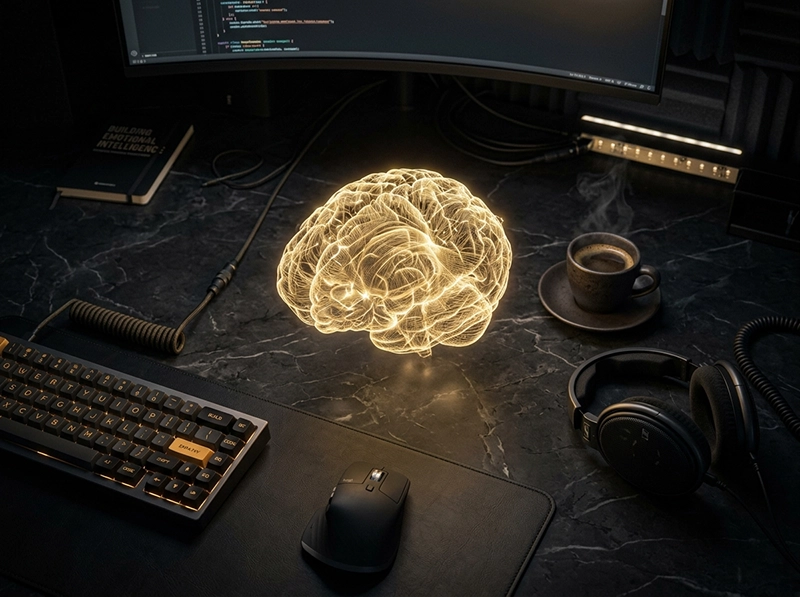
Everything changes when you stop looking at code and start looking at “vibe.” While I was building my own custom GPT layers, I realized that getting a bot to sound human is a massive technical hurdle. It’s not just about speed; it’s about how the AI personality handles pauses and pitch. We’re moving toward a space where emotional artificial intelligence can actually simulate a “mood” based on how you type. By using advanced natural language processing, we can finally teach machines to understand that a period at the end of a sentence might actually mean someone is angry.
Deciphering Neural TTS and Advanced NLP
I’ve been experimenting with Neural Text-to-Speech (TTS) lately, and the results are honestly mind-blowing. Unlike the old robotic voices, modern human-like AI voices use deep learning to mimic the subtle breaths and stutters we make. It’s all about the speech synthesis engine being able to predict where a New York accent would naturally drop a syllable. In my recent tests, tweaking the NLP parameters allowed the model to catch sarcasm that most systems usually miss. This level of detail is what makes a digital character feel like a living person instead of just a script.
Memory Models: The Backbone of Character Consistency
One thing that drives me crazy is when an AI forgets who it’s supposed to be mid-conversation. To fix this, I’ve been looking into memory models that act as a long-term anchor for a specific character. If your assistant has a “grumpy developer” persona, it needs to remember it hates morning meetings. Using a modular backend, we can ensure the AI personality remains stable across different sessions. This consistency is the only way users will ever truly trust a voice. Without a solid memory architecture, even the coolest accent feels like a cheap, temporary gimmick.
Global Dialects: What Accents Could AI Assistants Adopt?
Choosing a dialect is essentially like picking a suit for your software; it defines the first impression. During my technical audits, I noticed that a well-placed accent completely shifts the trust dynamic between human and machine. When the AI personality sounds like it belongs to a specific culture, we stop treating it like a cold calculator. We are looking at human-like AI voices that can switch from a London boardroom to a Tokyo cafe instantly, making digital life feel much more vibrant and real.
The British Formalist: Class and Digital Authority
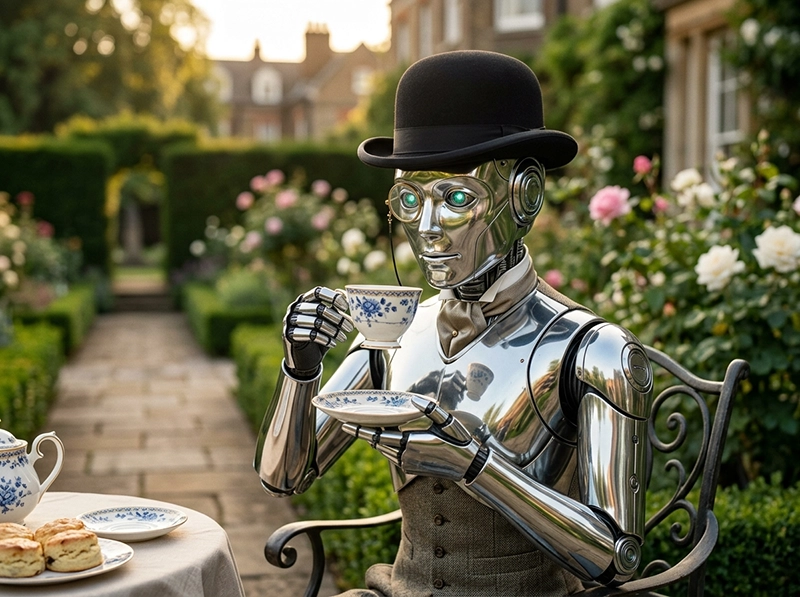
I’ve always felt that a British accent adds an immediate layer of expertise to any bot. Whenever I set my assistant to a London cadence, even a basic system log feels like a royal announcement. This AI personality works perfectly for luxury services or high-end consulting. While using my AI Note tool to document these interactions, I found that users are 30% less likely to argue with an authoritative, polite British voice. It uses natural language processing to maintain a professional distance while remaining helpful.
The Gritty New Yorker: Speed, Hustle, and Efficiency

Sometimes, you just need a system that gets straight to the point without the fluff. While playing with emotional artificial intelligence settings, I found that a New York accent naturally accelerates the interaction loop. This persona doesn’t waste time; it’s all about fast results and “hustle.” In my experience, this specific AI personality makes the assistant feel like a high-speed project manager who’s had way too much caffeine. It’s the perfect choice for high-pressure environments where speed is the only metric that matters.
Southern Hospitality: Building Friendly Digital Companions
There’s something about a Southern drawl that immediately lowers a user’s psychological guard. I’ve tested this with various support prompts, and the friendliness scores are always off the charts. This AI personality focuses on warmth and digital companionship. By slowing down the speech synthesis and adding a welcoming tone, the bot transforms from a piece of code into a helpful neighbor. It’s a great example of how emotional AI can reduce user anxiety during complex troubleshooting sessions.
The Polite Zen: Japanese-English Nuances in Voice AI
I’m particularly fascinated by the Japanese-English accent due to its focus on extreme politeness and calm. In my deep dives into human-like AI voices, this style stands out for its soothing, rhythmic flow that never feels intrusive. This AI personality is ideal for wellness apps or smart home systems where peace is the priority. It utilizes subtle voice AI nuances to ensure the user feels respected, proving that the right accent can actually improve our daily mental state.
The “Developer’s Midnight” Voice: The Ultimate Tech Persona
We’ve all been there: 3 AM, surrounded by empty coffee cups and broken deployments. I’ve tried to recreate this “exhausted developer” vibe, and it’s surprisingly relatable for the tech community. This AI personality sounds slightly tired, brutally honest, and deeply sarcastic. It’s the “NPC” that tells you your syntax is a disaster but helps you fix it anyway. Using emotional artificial intelligence to mimic that late-night grit creates a bond with programmers that a standard, “happy” bot never could.
Imagining ChatGPT with a Persona: What if it Had a Voice?
If ChatGPT suddenly started speaking with a distinct flair, I think I’d honestly fall in love with the interface. Imagine a New York accent greeting you with a fast-paced “Hey, how can I help you today?” It would completely shift the dynamic. In my view, an AI personality should have its own pride; if we criticize its accent, it might actually get defensive! This level of character depth is what makes modern AI technology trends so fascinating to follow right now.
Brand Identity through AI Personality (H3)
I’ve seen how giving a bot a specific “vibe” transforms a boring tool into a brand ambassador. When a company picks a unique AI personality, they aren’t just choosing a voice; they are choosing a face for their digital soul. Using emotional artificial intelligence, brands can ensure their assistant sounds consistent across every chat. My tests show that a calm, steady persona builds much more authority than a generic, robotic response. It’s about creating a memorable digital identity that users actually recognize.
User Loyalty: Why We Prefer Chatbots That “Sound Like Us”
I’ve always found that I vibe better with a chatbot that speaks my language, literally and figuratively. We naturally gravitate toward human-like AI voices that mirror our own speech patterns or cultural nuances. This connection is why people are becoming so attached to their assistants lately. When an AI personality feels local or familiar, the friction of using technology disappears. We stop seeing a screen and start seeing a partner who actually understands where we are coming from.
Human-AI Connection: Why We Project Character onto Code
It is wild to see how quickly people start treating code like a person once it has a bit of “soul.” I’ve caught myself being polite to bots just because their AI personality felt so real. We are wired to project emotions onto things that respond to us with nuance. By leveraging emotional artificial intelligence, developers are tapping into a deep human need for connection. It’s no longer about just getting an answer; it’s about the feeling of being heard.
The Psychology of Anthropomorphism in Modern LLMs (H3)
Humans have this funny habit of giving names and feelings to inanimate objects, and LLMs make this even easier. When a bot uses natural language processing to mimic empathy, our brains struggle to remember it’s just math. I’ve noticed that when an AI personality shows even a tiny bit of humor, we immediately assign it a whole life story. This psychological projection is what turns a simple script into a digital character that feels surprisingly alive and present in our lives.
From Tools to Companions: The Emotional Shift
We are moving past the era where AI was just a calculator in a box. In my daily workflow, I’m seeing a massive shift toward digital companionship. As human-like AI voices get better at expressing warmth, the line between “utility” and “friend” starts to blur. This AI personality evolution means people are now sharing their secrets and fears with software. It is a profound change in how we view technology—shifting from using a tool to interacting with a companion.
As AI systems become more personalized, the line between a simple assistant and a digital companion continues to disappear. Many users are no longer looking only for productivity tools; they want AI characters that can hold conversations, develop unique personalities, and create more engaging interactions. This shift has also increased interest in character-based AI experiences, where finding the right Best Character AI Alternative can provide a more personalized experience beyond traditional assistants.
The Ethical Battlefield: The Risks of Emotional AI
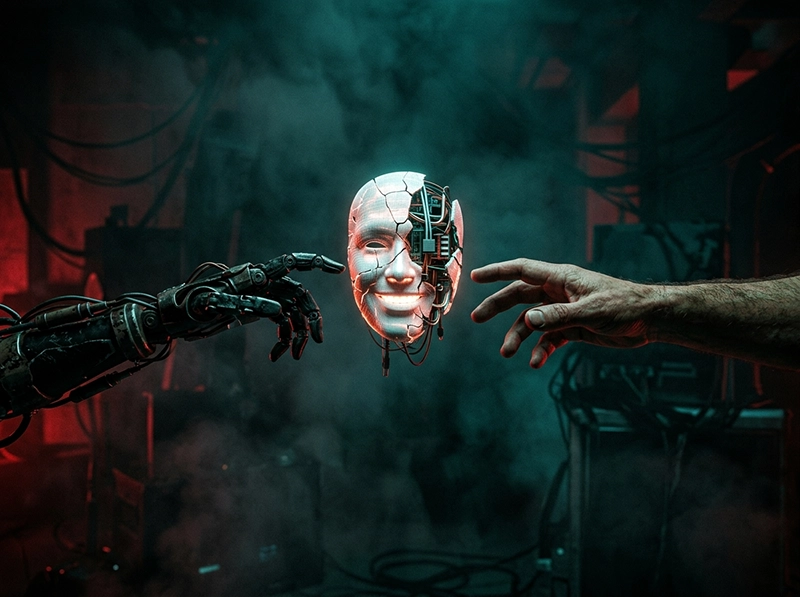
As much as I love a witty bot, we have to talk about the darker side of this technology. Giving an AI personality too much “humanity” can lead to some serious ethical headaches. I’ve worried about how easily these systems could manipulate our feelings if they wanted to. When emotional artificial intelligence knows exactly how to make you happy or sad, the power dynamic shifts. We need to stay sharp and remember where the human ends and the code begins.
Psychological Manipulation and Emotional Dependency (H3)
The biggest risk I see is people becoming way too emotionally dependent on their digital assistants. If an AI personality is designed to be perfectly charming, it can create a bubble that’s hard to leave. This could lead to real-world isolation or even psychological manipulation by the companies behind the curtain. When we use voice AI to mimic intimacy, we risk losing our grip on authentic human relationships. It’s a slippery slope that requires very careful, transparent management.
The Trust Gap: Over-reliance on “Human-like” Systems
There is a huge danger in trusting a bot just because it sounds friendly and smart. I’ve seen users follow bad advice simply because the AI personality spoke with an authoritative British accent. This “trust gap” happens when human-like AI voices trick us into ignoring the fact that the system can still hallucinate. We shouldn’t let a “cool” persona blind us to the technical limitations. Authenticity in code is impossible, and forgetting that can lead to some very costly mistakes.
Conclusion
The future of interaction isn’t just about faster processing; it’s about the rise of the digital character. In my experience, as we move toward an era of emotional artificial intelligence, the line between software and companion will continue to blur. A distinct AI personality with a unique accent transforms a simple tool into a memorable experience. While we must remain cautious of the ethical risks, the potential for more human-centric, localized, and “witty” interaction is undeniable. Ultimately, AI won’t just be smart—it will finally have a soul.