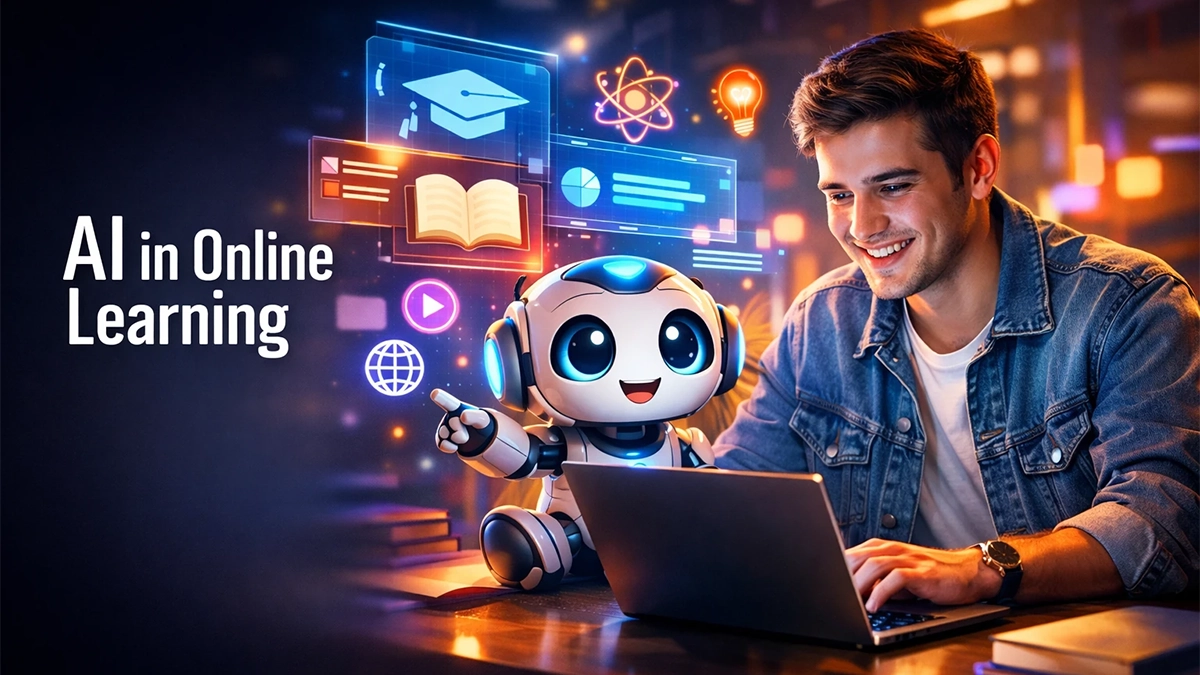
AI in online learning has completely changed the way I approach studying on the internet. At first, I only used AI tools for small questions, but over time I realized how powerful AI tools for students and modern AI learning assistants can be. When you treat AI like a learning partner instead of a shortcut, it becomes surprisingly effective. For example, while studying programming and technical topics, I often used AI powered learning platforms to clarify difficult concepts. In many cases, AI personalized learning helped me understand ideas faster than traditional courses, especially when the explanations were adapted to my questions.
Personally, I learned that AI in online learning works best when combined with reliable sources. While studying programming and even historical topics, I sometimes asked AI questions that came to my mind. Once I mentioned a historical timeline I believed was correct, and the AI explained that part of my assumption was wrong and gave a clearer context. After checking trusted sources, I realized the explanation was accurate. Experiences like this showed me how artificial intelligence in education can support deeper learning when used thoughtfully rather than blindly.
Table of Contents
AI in Online Learning: The Real Impact on Digital Education

AI in online learning started to feel real to me the moment it stopped being just a tool and became part of my daily study routine. While learning programming concepts and technical workflows, I noticed how quickly answers adapted to my level of understanding. Unlike static tutorials, modern AI powered learning platforms react to your questions in real time. This flexibility is one of the biggest reasons why artificial intelligence in education is changing digital learning, making online study more interactive, faster, and surprisingly personal.
How AI in Online Learning Personalizes the Student Experience
AI in online learning becomes powerful when it adapts to how you actually think. When I studied programming topics and container tools like Docker, I often asked follow‑up questions whenever something felt unclear. Instead of repeating the same explanation, AI learning assistants changed the way the answer was presented. Sometimes it simplified the explanation, other times it used examples. This type of AI personalized learning made the experience feel closer to having a private tutor rather than just reading documentation.
The Technology Behind AI in Online Learning
Behind the scenes, AI in online learning is powered by several technologies that work together. Systems built on artificial intelligence in education often rely on machine learning in education models that analyze patterns in language and questions. Modern systems are based on large language models (LLM) that use architectures like Transformer networks and techniques from NLP (natural language processing). Understanding this helped me trust the tool more, because I realized it wasn’t guessing randomly but analyzing language patterns to generate helpful learning responses.
The Benefits and Hidden Challenges of AI in Online Learning

AI in online learning has brought a mix of powerful advantages and real challenges that I noticed through my own study process. When used correctly, AI tools can speed up learning, clarify difficult ideas, and provide quick feedback that traditional courses often lack. But relying on it blindly can also create problems if information is not verified. Through my experience exploring different tools and even researching topics like building an AI business idea, I realized that understanding both the strengths and the limits of AI makes online learning far more effective.
Benefits of AI in Education for Students
One of the biggest benefits of AI in education is how accessible learning becomes. While studying programming and technical subjects, I frequently used different AI tools for students to break down complicated concepts into simpler steps. Some systems even act like AI tutoring systems that guide you through problems interactively. Instead of waiting for a teacher or searching through long documentation, AI in online learning can explain ideas instantly and adjust explanations depending on how detailed your question is.
Limitations and Risks of AI in Online Learning
Despite its advantages, AI in online learning also has limitations that learners should understand. The growing impact of AI on education means people sometimes trust AI answers too quickly without checking reliable sources. I experienced this while researching complex topics where AI education technology gave helpful insights but still required verification. Over time I learned that the best approach is to treat AI as a smart assistant rather than a final authority, combining its speed with careful research and critical thinking.
AI Tools That Are Transforming Online Learning

In my personal journey, AI in online learning became truly transformative only when I discovered how diverse the tools could be. These systems don’t just answer questions—they create learning experiences tailored to your progress. Some help organize study routines, others assist with brainstorming or coding. Exploring different solutions taught me how each approach offers something unique. To go deeper into practical applications, you can check educational discussions on EdTech Magazine —a trusted resource analyzing the future of AI tools in education.
Popular AI Tools for Students and Self‑Learning
During my studies, I experimented with several AI tools for students that made self‑learning exciting. For example, I used interactive platforms and AI learning assistants to practice programming concepts or analyze historical data. These tools helped me test ideas instantly and confirm factual accuracy. Their adaptability was impressive—they adjusted difficulty based on my questions and even guided me to extra resources. That flexibility is what makes modern AI powered education feel truly personalized and motivating.
AI Powered Learning Platforms
Some of the most effective systems I tried were AI powered learning platforms designed for professionals and students. These services combine efficient AI in e‑learning technologies with live feedback loops. When I was learning new frameworks, these platforms could pinpoint misunderstandings and provide extra explanations automatically. It felt similar to having a tutor but faster and available anytime. They also store progress data, which helps in tracking improvement over time—one of the strongest aspects of AI in online learning.
AI Tutors and Smart Study Systems
Apart from big platforms, I’ve experienced the value of AI tutoring systems that act like real teachers during self‑study sessions. They ask questions, identify weak spots, and create step‑by‑step correction paths. Once, while reviewing a complex algorithm, an AI tool suggested alternative logic and explained why mine wasn’t optimal. That interaction matched what a personal tutor would do. It proved how far AI personalized learning has come—combining speed, intelligence, and empathy to build a more natural and effective digital tutoring experience.
Real Experiences Using AI in Online Learning

My strongest realization about AI in online learning came when I started using it as a daily learning companion across different subjects, not just technical ones. I relied on AI to summarize long research articles, challenge my understanding with critical questions, and help me connect ideas between unrelated topics. Over time, it changed how I studied online. Instead of consuming information passively, I interacted with content more deeply, which made learning faster, more structured, and noticeably more effective.
My Experience Using AI Tools to Improve Online Study
I improved my online study routine by actively using different AI tools for students as thinking partners rather than answer machines. With the help of AI learning assistants, I tested my understanding by asking for alternative viewpoints, real‑world examples, and simplified explanations of complex ideas. This approach revealed gaps in my knowledge and forced me to reflect. Gradually, AI in online learning became a tool for sharpening my thinking, not replacing it.
The Future of AI in Online Learning and Digital Education

The conversation about the future of AI in education often focuses on technology itself, but the bigger shift is happening in how people learn. As AI powered learning platforms become more advanced, online education is gradually moving away from static video lessons toward interactive learning environments. Instead of following the same path as every other student, learners will receive explanations, exercises, and feedback that adapt to their progress. This shift is already visible in fields data science and AI where adaptive tools help learners practice concepts through guided problem solving rather than passive watching.
How AI Will Shape the Future of Online Courses
In the coming years, AI for online courses will likely focus less on replacing instructors and more on expanding what courses can offer. AI systems will analyze how students interact with lessons, detect where confusion happens, and adjust the pace or explanation style automatically. This could turn many online courses into dynamic learning environments that respond to individual progress. The result may be a hybrid model where human educators provide direction and expertise while AI handles continuous feedback, practice generation, and personalized support throughout the learning process.
Conclusion
The rise of AI in Online Learning is quietly transforming how people access knowledge, practice new skills, and interact with digital education. From adaptive learning systems to intelligent study assistants, AI is turning online education into a more personalized and responsive experience. Yet the most effective learning still comes from a balance between technology and human curiosity. When used thoughtfully, AI can guide learners, highlight knowledge gaps, and accelerate understanding. Ultimately, the real value of AI in online learning lies not in replacing traditional learning, but in making education more accessible, interactive, and meaningful for anyone willing to keep learning.