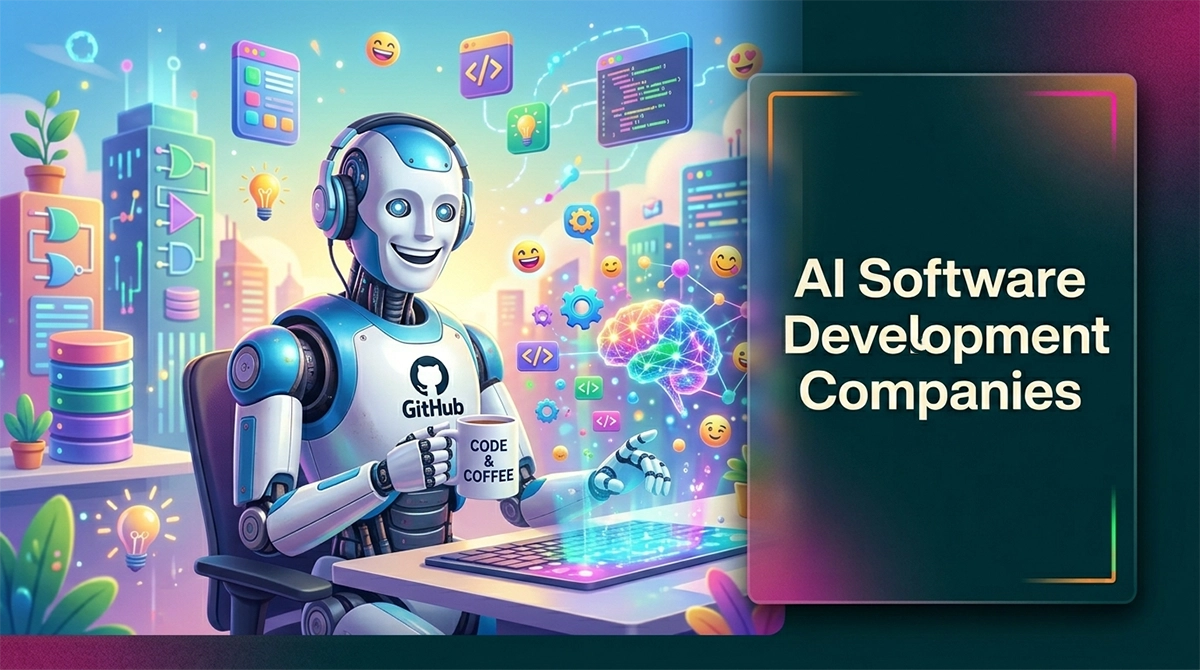
If you’ve followed my technical breakdowns, you already know my view: sophisticated software architecture still requires experienced human oversight. However, while testing autonomous development workflows, I found that modern AI software Development Companies have evolved far beyond traditional AI code assistants. They now automate complex engineering tasks that once demanded constant developer involvement. In this article, I’ll share what I learned, where these AI-driven workflows outperform traditional development teams, where human oversight remains essential, and what software engineers should realistically expect over the next few years.
Table of Contents
What Are AI Software Development Companies?
From my experience testing AI-assisted development workflows, I’ve found that AI software development companies are very different from traditional software agencies that simply use ChatGPT or GitHub Copilot. These companies build AI directly into the entire software development lifecycle, using AI coding agents, automated testing, intelligent code reviews, and deployment pipelines to accelerate delivery while keeping developers involved in critical decisions.
In the projects I evaluated, AI was not replacing software engineers. Instead, it handled repetitive development tasks such as code generation, documentation, refactoring, and test creation, allowing developers to focus on architecture, business logic, and production readiness. This combination of AI software development and human expertise is what separates modern AI software development companies from conventional development teams.
Decoding the Autonomous Pipeline inside AI Software Development Companies
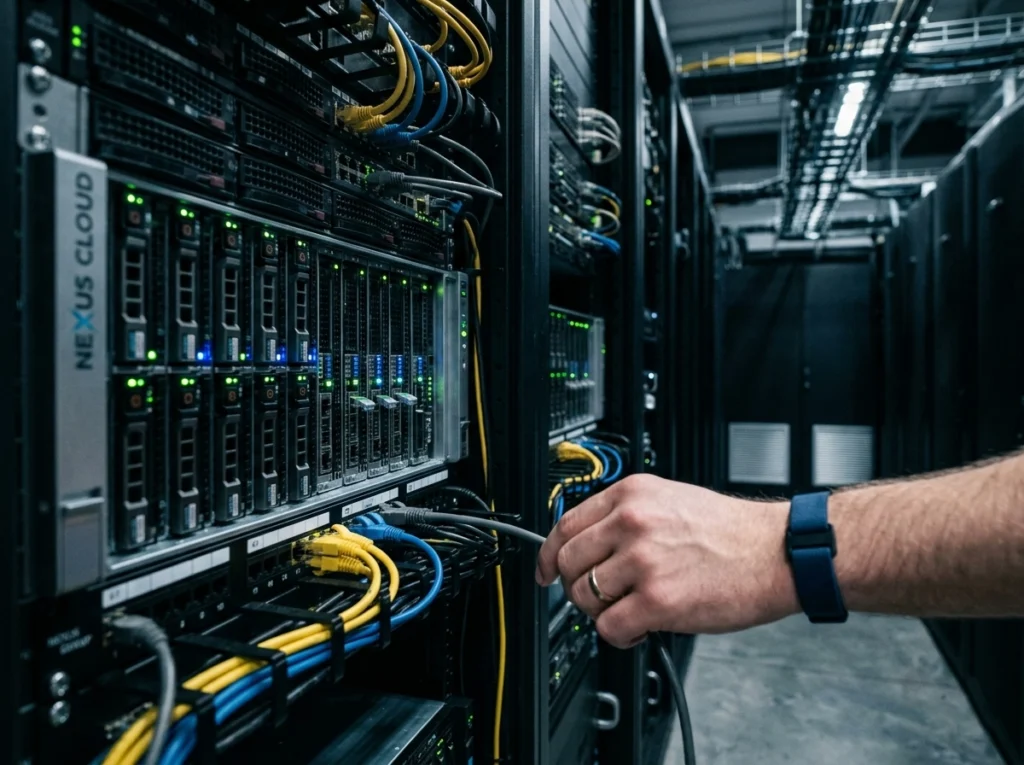
The operational blueprint behind modern AI software development companies has evolved far beyond passive autocomplete tools into autonomous development pipelines. During my recent technical audits of enterprise applications using GitHub Copilot alongside agent-based workflows, I observed orchestration layers that significantly reduce traditional human code review and approval steps without removing developers from the process. Rather than generating boilerplate code, these platforms interpret requirements, manage dependencies, and coordinate microservices automatically. From my experience, this shift is redefining AI software development, enabling faster delivery while preserving architectural quality through continuous human oversight.
The Masterful Transition from AI Code Assistant to Sovereign Agent
In my earlier architecture reviews, I viewed every AI code assistant as little more than an intelligent autocomplete engine. That perspective changed after rebuilding a modular monolith with Claude Code and Cursor, where both tools coordinated cross-file updates, resolved dependencies, and handled repetitive refactoring with minimal manual intervention. For teams exploring more advanced automation, this workflow closely resembles the structured improvements discussed in ChatGPT Code Refactoring, where complex logic becomes easier to maintain. My testing confirmed that modern AI programming software is steadily evolving from a coding assistant into a capable engineering partner.
Architectural Purity: How Custom AI Development Company Frameworks Adapt
While reviewing repositories created by a leading custom AI development company, I noticed a consistent emphasis on clean architecture instead of rapid code generation. The autonomous workflow followed domain-driven design principles, isolated business logic, and continuously validated newly generated modules before deployment. During my own testing, these architectural patterns made large Laravel projects easier to maintain and significantly reduced unnecessary complexity. This experience convinced me that successful AI software development companies combine intelligent automation with proven software engineering practices instead of relying solely on AI-generated code.
How AI Software Development Companies Refactor Code Automatically
Deploying autonomous code at scale requires far more than syntax correction. During my architectural evaluations using Codex, Claude Code, and Aider, I observed how leading AI software development companies continuously analyzed entire codebases instead of individual files. Their workflows identified redundant logic, simplified legacy components, and suggested structural improvements before new features were introduced. Rather than replacing engineering expertise, these AI-driven refactoring processes reduced repetitive maintenance work and helped development teams spend more time improving architecture, scalability, and long-term code quality.
When Elite AI Tools for Coding Take Total Control
During a database optimization project on my staging environment, I tested Claude Code together with Cursor Agent Mode while giving controlled write access to a collection of ai tools for coding. Instead of simply generating snippets, the agents analyzed memory usage, optimized SQL queries, reorganized telemetry services, and suggested infrastructure improvements based on runtime behavior. Although I still reviewed every production change manually, this experience demonstrated how modern AI coding platforms can automate repetitive engineering tasks while allowing developers to focus on higher-level technical decisions.
The High-Velocity Reality of Microservices Spawned by AI Software Engineers
Watching autonomous workflows generate production-ready microservices fundamentally changed my understanding of engineering velocity. During one load-testing session, AI-assisted orchestration detected service bottlenecks, proposed optimized API boundaries, and generated supporting infrastructure with only limited human intervention. Every service followed consistent routing standards, clear API contracts, and maintainable project structures. Based on my experience, AI software engineers and intelligent development agents can dramatically accelerate software delivery, but experienced developers remain essential for validating architecture, security, and business requirements before deployment.
Auditing Brilliance: Behind the Interface of Artificial Intelligence Software Development
While auditing the internal behavior of these development workflows, I realized that modern artificial intelligence software development extends well beyond template generation. Using Claude Code and GitHub Copilot during several backend projects, I observed AI building database relationships, generating integration tests, documenting APIs, and recommending performance improvements with remarkable consistency. These capabilities significantly improved development efficiency, but they worked best when combined with architectural reviews and production validation. My experience reinforced that AI delivers its greatest value when supporting experienced software engineers rather than replacing them.
Unlocking the Black Box of Autonomous Architecture
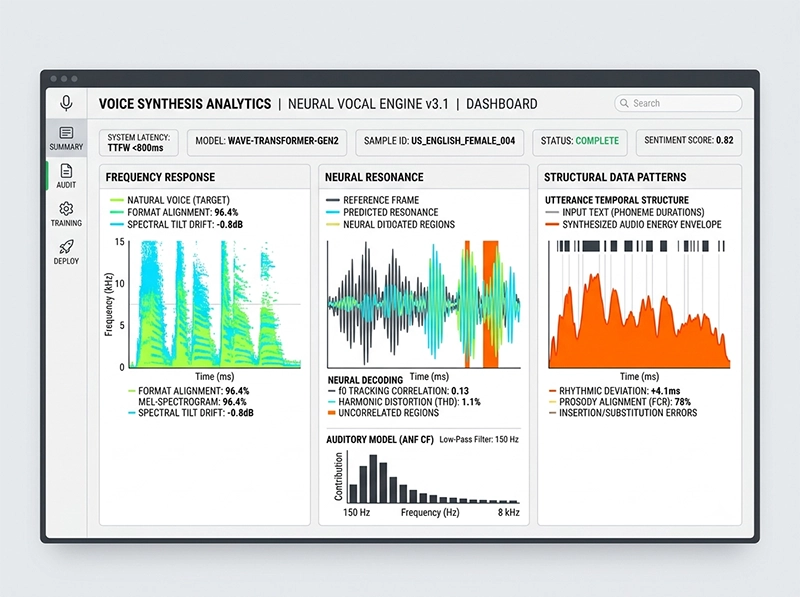
Exploring autonomous runtime environments gave me a better understanding of how modern AI software development companies manage increasingly complex systems. During several architecture reviews, I found AI-driven workflows organizing data relationships, dependency graphs, and service communication with minimal documentation. Instead of relying on extensive code comments, these platforms interpreted project context through existing code and system behavior. From my experience, this decision-making process still feels like a black box, making performance testing and careful human validation essential before production deployment.
The Absolute Elimination of Technical Debt by Intelligent Compilers
After years of maintaining enterprise applications, I know technical debt is unavoidable when projects move quickly. However, testing Codex and Aider inside isolated sandbox environments showed how modern AI tools can help reduce technical debt before it accumulates. They consistently detected unused code, simplified complex methods, removed unnecessary abstractions, and suggested cleaner architectural patterns. While they cannot eliminate technical debt entirely, these AI-assisted improvements made my codebases more maintainable, easier to review, and significantly cleaner over time.
How Autonomous Systems Self-Heal in Isolated Environments
While running an intensive cluster stress test with Claude Code connected to my staging environment, I observed how autonomous workflows responded to runtime failures. The system identified a memory leak, isolated the affected microservice, and recommended a safe programmatic fix based on established AI code generator practices. That experience reminded me of the precision required in projects like Recreating Deceased Voices, where small adjustments can produce significant improvements. Although these self-healing capabilities are impressive, I still rely on human validation before deploying any automated fixes to production.
Where AI Software Development Still Needs Human Oversight
After spending months testing autonomous development workflows across real projects, I’ve become much more confident in what AI can accomplish. At the same time, I’ve learned that even the best AI software development companies should never remove experienced engineers from critical decision-making. AI excels at repetitive engineering work, but production software still depends on human judgment in several key areas.
- Security Reviews: AI can detect common vulnerabilities and suggest secure implementations, but I always perform a final security review before deploying production code, especially for authentication, payment systems, and API access.
- Architecture Decisions: While AI coding agents generate clean code quickly, long-term architecture still requires human experience. Decisions involving scalability, domain modeling, and system boundaries should remain under the control of senior software engineers.
- Business Logic: One of the biggest limitations I noticed during testing is that AI understands code better than business intent. Complex business rules, customer workflows, and product requirements still require human interpretation.
- Compliance and Regulations: Projects involving GDPR, HIPAA, PCI DSS, or industry-specific regulations require manual validation. AI can assist with documentation and implementation, but compliance remains a human responsibility.
- Performance Optimization: AI is excellent at identifying inefficient code and suggesting optimizations. However, I still rely on profiling, benchmarking, and production monitoring before accepting performance improvements.
- Production Approval: No matter how capable autonomous development becomes, I never allow AI-generated code to reach production without a final human review. AI accelerates software development, but experienced developers remain responsible for the final decision.
Redefining Enterprise Scale through AI Software Development Services
The enterprise software landscape is changing as traditional development models adopt AI-driven workflows created by modern AI software development companies. During my evaluations of enterprise integrations, I noticed that AI software development services can significantly accelerate planning, prototyping, testing, and deployment processes. Instead of replacing large development teams, these platforms help engineers transform high-level requirements into scalable solutions faster. From my experience, the biggest advantage comes from combining autonomous automation with human expertise to build reliable enterprise applications.
Traditional Software Company vs AI Software Development Company
| Traditional | AI |
|---|---|
| Weeks | Hours |
| Manual Testing | AI Assisted Testing |
| Manual Documentation | AI Generated Docs |
| Human Review | Human + AI |
Infinite Scalability: The Unprecedented Speed of AI Product Development
When I supervised a pilot launch using Cursor and Claude Code for a dynamic SaaS framework, the speed of automated AI product development changed my expectations about software delivery. The system analyzed traffic patterns, identified potential bottlenecks, and assisted with scaling decisions during testing. Tasks that previously required extensive planning, such as database configuration and architecture adjustments, became significantly faster. However, my experience showed that AI software development works best when developers guide strategic decisions and validate critical production changes.
The Synergistic Future of Code and Human Capital
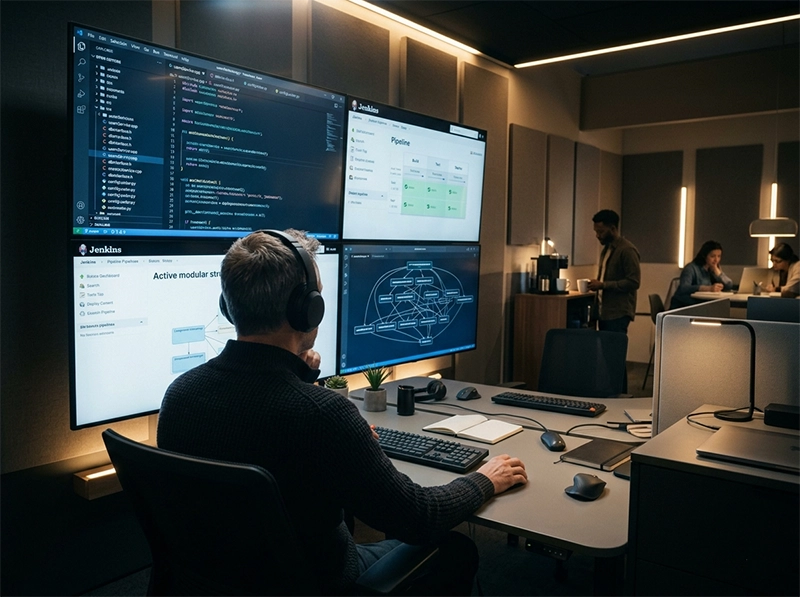
Moving from complete automation toward AI-human collaboration requires a new approach to software engineering. During my work with progressive AI software development companies, I focused on creating workflows where AI handles repetitive implementation tasks while engineers concentrate on architecture, security, and product decisions. This balance allows teams to improve productivity without removing human creativity from the process. In my experience, the future of software development belongs to teams that combine AI capabilities with strong engineering judgment.
Elevating Trust in Autonomous AI Assisted Coding Ecosystems
When I connected an advanced agentic pipeline to a legacy repository, my biggest concern was not speed but operational trust. The system used AI assisted coding workflows to analyze database triggers, identify problematic logic, and suggest improvements in complex areas. However, I learned that autonomous pipelines still require human-in-the-loop validation to prevent unexpected issues. By adding automated checks and review stages, I transformed the workflow into a more reliable solution for handling refactoring tasks inside enterprise environments.
The Ultimate Blueprint for Builders in the Era of AI Software Engineering
Throughout my experience designing enterprise microservices, discussions around ai and programming jobs often focused on whether AI would replace developers completely. However, my production experiments showed a different reality. AI software engineering tools handled repetitive coding, testing, and documentation tasks while engineers focused on architecture, security, and system integration. This balanced approach directly connects with concerns about ai impact on programming jobs, showing that artificial intelligence can enhance software engineering rather than simply replace human developers.
Conclusion
After conducting multiple architectural tests with modern AI development tools, I believe software engineering is moving beyond basic code completion toward more autonomous and intelligent workflows. The future of development will involve AI-assisted design, automated testing, and continuous optimization supported by human expertise. AI software development companies will play an important role in this transition by helping teams build faster and maintain scalable systems. However, clear architecture decisions, security reviews, and human oversight will remain essential for creating dependable software.